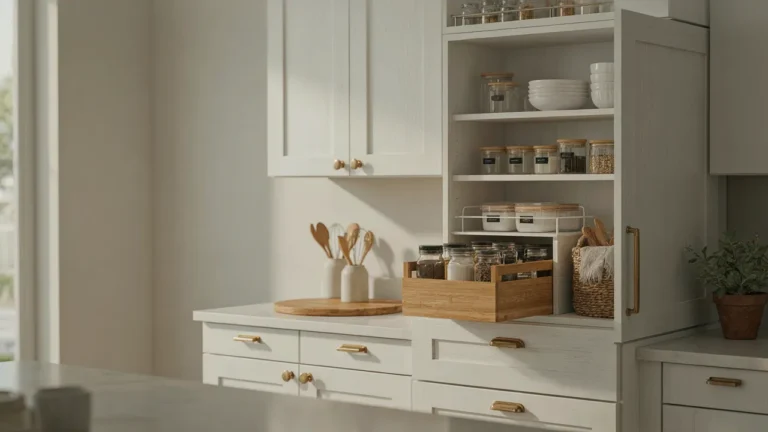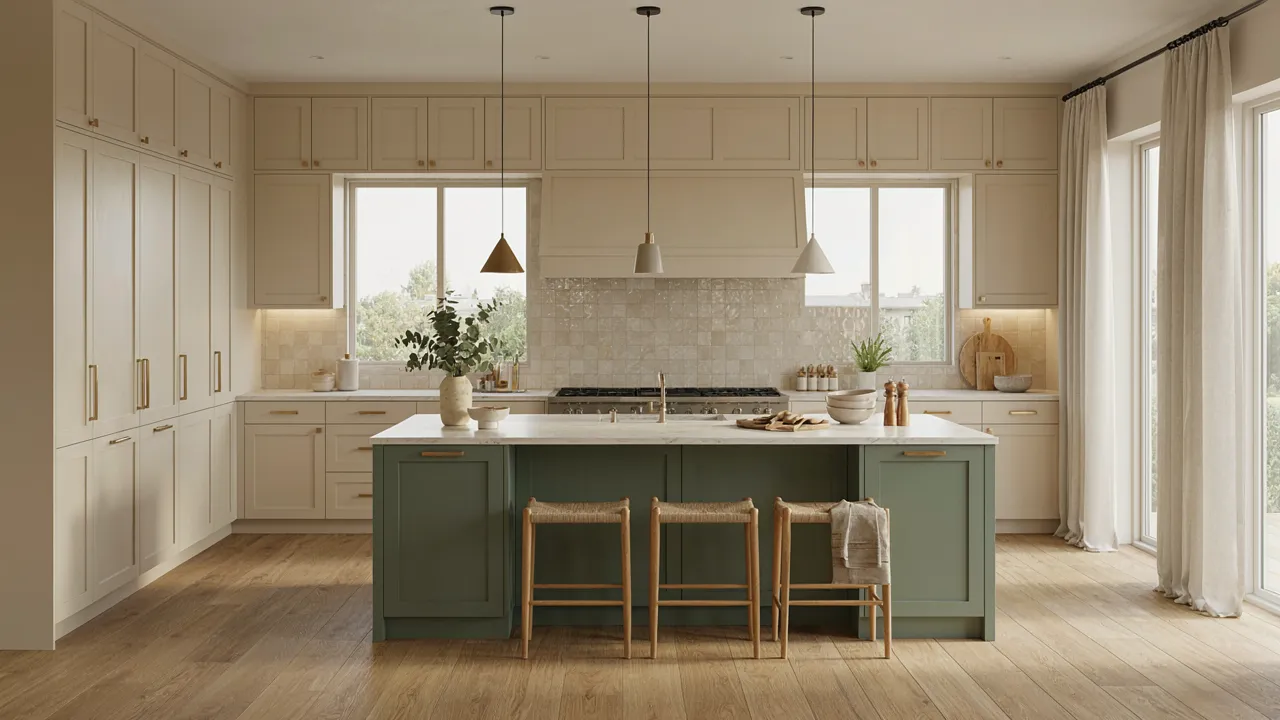
22 Kitchen Cabinet Trends for a Fresh, Sleek Space
A fresh kitchen starts with cabinets that feel stylish, welcoming, and practical. The latest kitchen cabinet trends bring together beautiful colors, natural textures, and sleek designs that can make even a simple cooking space feel more inviting.
Exploring the latest kitchen cabinet trends can help homeowners choose stylish colors, functional layouts, and timeless finishes.
Whether you’re planning a complete kitchen renovation or simply looking for ways to update outdated cabinets, choosing the right style can feel overwhelming. From creamy white finishes and warm wood tones to bold navy cabinets and minimalist handleless designs, there are plenty of inspiring options to explore.
The secret is finding a look that complements your space, suits your budget, and makes everyday life easier.
These 22 ideas will help you discover beautiful cabinet colors, modern finishes, and practical design details worth considering. You’ll also find inspiration for creating a kitchen that feels fresh, organized, and uniquely yours.
Warm White Shaker Cabinets
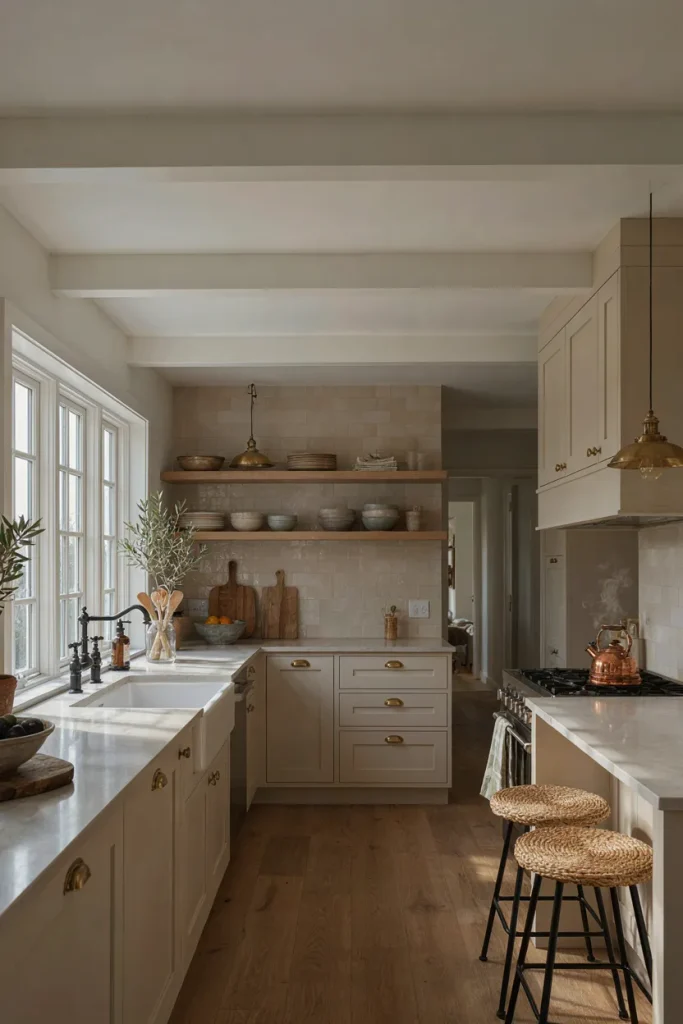
Warm white Shaker cabinets bring a soft, welcoming feel to kitchens without sacrificing a clean, modern appearance. Unlike stark white finishes, creamy shades add warmth and pair naturally with wood flooring, stone countertops, and brass hardware. Their simple recessed panels create subtle depth while keeping the overall design uncluttered and timeless.
For a balanced finish, choose satin paint rather than high gloss and pair it with warm beige or ivory backsplash tiles. In smaller kitchens, matching upper and lower cabinets creates a continuous look that feels spacious. This style works especially well with natural textures and understated accessories.
For more ideas, explore these beautiful kitchen design inspirations on Houzz.
Natural Oak Cabinet Finishes
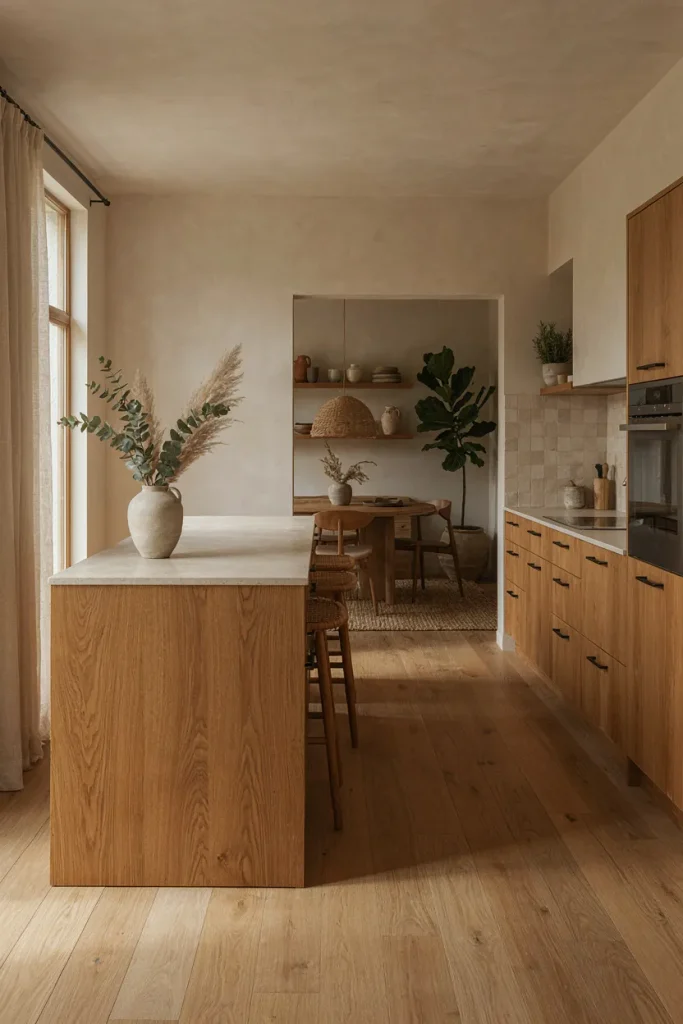
Natural oak cabinetry brings warmth and texture to even the simplest kitchen layout. Its visible grain gives flat surfaces character without relying on bold colors or decorative details.
- Choose light oak tones: Pale honey and natural finishes create an airy appearance without making the kitchen feel cold.
- Keep the grain visible: Clear or lightly tinted finishes highlight the wood’s natural patterns.
- Pair with soft neutrals: Cream, greige, and warm white countertops help balance the golden undertones.
- Choose simple hardware: Slim black pulls or brushed nickel handles complement the natural texture without competing for attention.
- Check finish samples: Compare samples under daylight and evening lighting before selecting cabinet doors.
Among kitchen cabinet trends, natural wood finishes offer a practical balance of warmth and simplicity. Oak works especially well in open-plan kitchens where cabinetry connects visually with dining furniture. For a cohesive result, repeat similar wood tones in shelving or seating while keeping surrounding surfaces light and understated.
Natural oak remains a popular choice among kitchen cabinet trends because it adds warmth, texture, and timeless appeal.
Also View:15 Beautiful Entryway Ideas to Make Guests Feel Welcome
Matte Black Cabinetry

Quick Tip:
Matte black cabinets look especially striking when paired with lighter countertops and a warm wood accent. Choose a fingerprint-resistant finish for frequently handled doors, and test a large sample under your kitchen lighting before committing to the color.
Dark cabinets create a bold architectural look, especially in kitchens with generous natural light. For smaller spaces, consider installing black cabinetry only on the lower cabinets or island while keeping upper cabinets light. This creates contrast without overwhelming the room. Satin brass hardware adds warmth, while pale stone surfaces maintain visual balance.
Two Tone Kitchen Cabinets

BEFORE:
A kitchen with identical upper and lower cabinets can sometimes feel visually flat, especially when every surface shares the same color. Dark cabinetry throughout may also make a compact room feel heavier than intended.
AFTER:
Two tone cabinetry introduces contrast while maintaining a coordinated appearance. Light upper cabinets keep the room feeling open, while darker lower cabinets add depth and help anchor the overall design.
Two-tone designs are among the most versatile kitchen cabinet trends for creating contrast in modern homes.
Choose warm white upper cabinets with sage green, navy, or charcoal lower units for a balanced combination. Keep hardware consistent across both finishes to create visual harmony. This approach works particularly well in kitchens with limited natural light, where lighter upper cabinetry helps maintain a brighter appearance.
Sleek Handleless Cabinets

1. Choose flat panel doors: Smooth cabinet fronts create a streamlined appearance without decorative grooves or raised detailing.
2. Select an opening system: Integrated finger pulls, recessed channels, or push-to-open mechanisms eliminate the need for visible handles.
3. Coordinate cabinet finishes: Use matching matte colors across upper and lower cabinetry to create a continuous surface.
4. Plan appliance integration: Consider cabinet panels for compatible dishwashers and refrigerators to maintain a consistent appearance.
5. Test everyday functionality: Check how easily drawers and doors open, particularly around corners and frequently used cooking areas.
Clean lines are becoming a defining feature of modern kitchen cabinet trends, and handleless designs deliver that minimalist appeal. They work especially well in narrow kitchens where protruding handles can catch clothing. Finger pull channels often provide a practical balance between sleek styling and convenient everyday access.
Soft Sage Green Cabinets
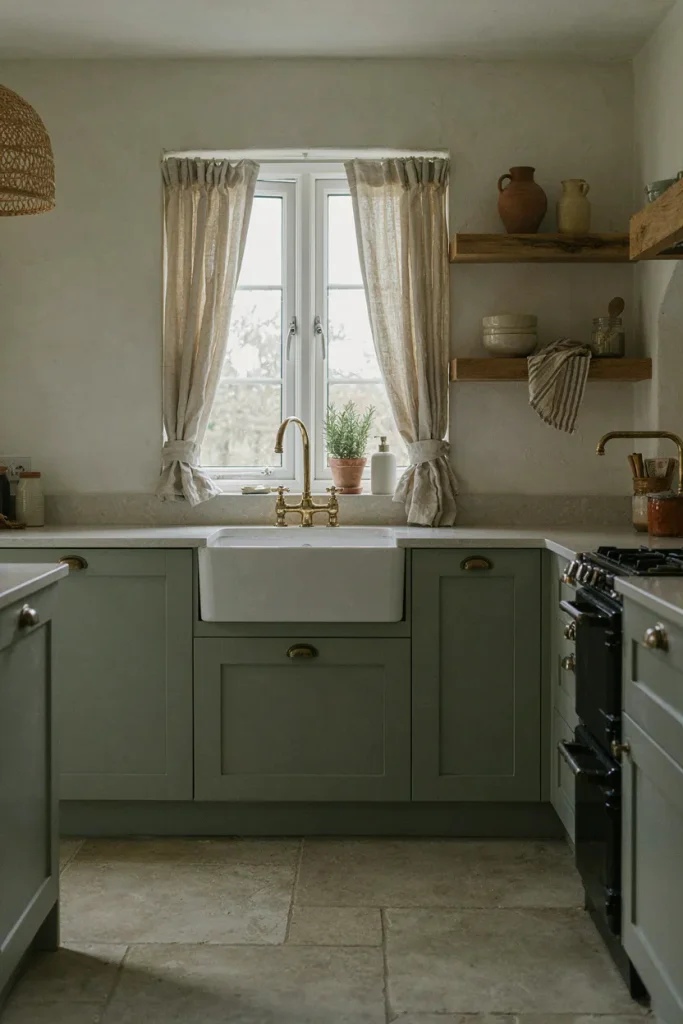
Soft sage green cabinetry introduces gentle color without overwhelming the kitchen. Its muted, earthy undertones pair naturally with wood, stone, and warm metallic finishes, making it suitable for both traditional and contemporary interiors.
| Design Feature | Option A: Sage Green | Option B: Bright Green |
| Overall mood | Calm and understated | Bold and energetic |
| Cabinet appearance | Soft, muted finish | Strong color statement |
| Countertop pairing | Cream, ivory, light stone | White or contrasting stone |
| Hardware choice | Aged brass or bronze | Black or polished chrome |
| Best suited for | Cottage and organic modern kitchens | Eclectic and colorful kitchens |
For a harmonious result, select a sage shade with gray undertones rather than a heavily saturated green. Pair it with creamy countertops and warm brass hardware to create a welcoming atmosphere. Always test paint samples beside your backsplash because surrounding materials and lighting can noticeably change how green appears.
Deep Navy Blue Cabinets
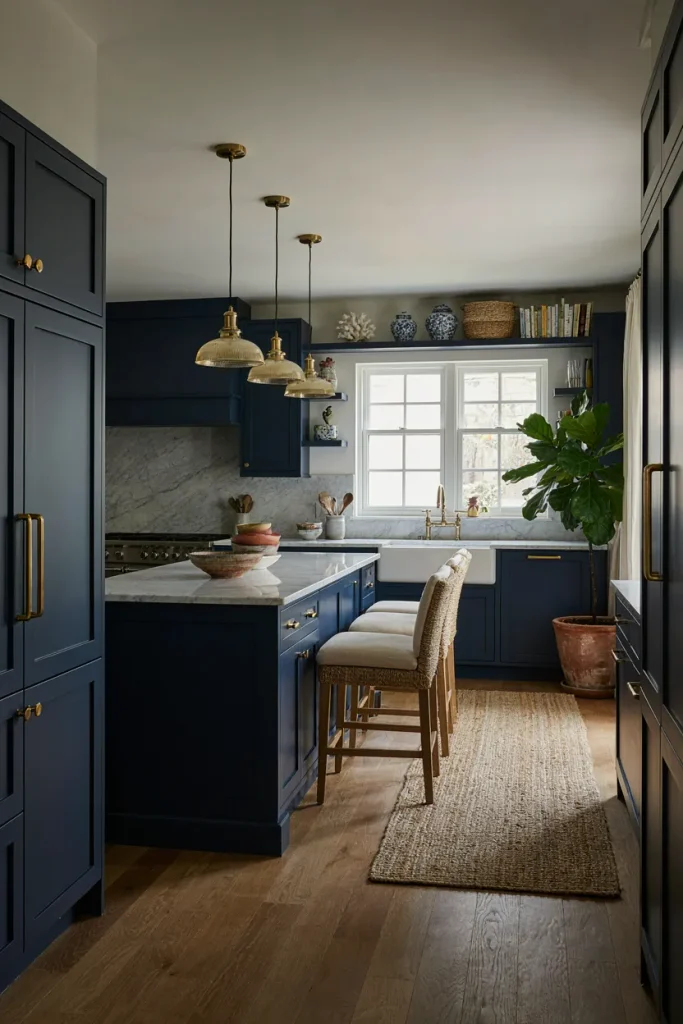
Deep navy cabinetry creates a rich, polished appearance while offering a softer alternative to black. Its cool undertones look particularly striking against white countertops, warm wood flooring, and metallic hardware.
DO:
- Pair navy cabinets with creamy white or light gray countertops.
- Choose brushed brass handles for a warmer finish.
- Test navy paint samples in natural and artificial lighting.
- Use lighter backsplash tiles to balance the dark cabinetry.
DON’T:
- Combine several competing shades of blue without checking undertones.
- Use dark countertops throughout a kitchen with limited lighting.
- Overcrowd navy cabinets with decorative hardware.
- Skip testing the finish for fingerprints and cleaning marks.
Navy works especially well on kitchen islands and lower cabinets, where its rich color adds visual depth without dominating the room. For smaller kitchens, combine navy base cabinets with warm white upper units. Keep surrounding walls neutral, allowing the cabinetry to become the main decorative feature.
Fluted Wood Cabinet Fronts

Texture: Vertical grooves create subtle shadows and a distinctive three dimensional appearance.
Best For: Kitchen islands, accent cabinets, and selected lower cabinet fronts.
Material Options: Solid wood, veneered panels, or moisture resistant engineered boards with decorative fluting.
Maintenance: Grooved surfaces need more detailed dusting and cleaning than flat cabinet doors.
Fluted cabinet fronts add visual interest without introducing extra colors or complicated patterns. They work particularly well in minimalist kitchens that need warmth and architectural detail. For easier maintenance, reserve fluted panels for an island or a few statement doors while keeping frequently handled cabinets smooth and simple.
Warm Greige Kitchen Cabinets
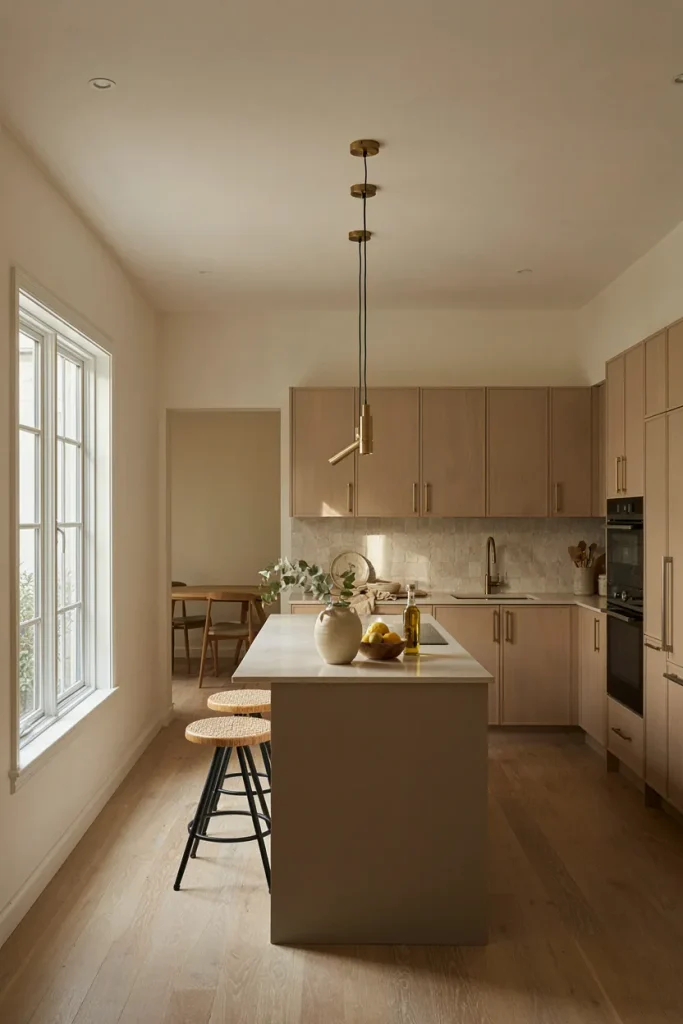
Greige cabinets offer a comfortable middle ground between gray and beige, making them especially useful in kitchens where pure white feels too stark. The warmer undertones coordinate naturally with oak floors, creamy stone countertops, and brushed metallic finishes, creating a polished appearance that still feels welcoming and relaxed.
For the most cohesive result, compare greige samples against your flooring and backsplash before making a final decision. Some shades appear noticeably gray under cool lighting, while others reveal stronger beige undertones in sunlight. Choose a durable satin finish for everyday cleaning, and use matching cabinet colors across tall pantry units for continuity.
Glass Front Kitchen Cabinets
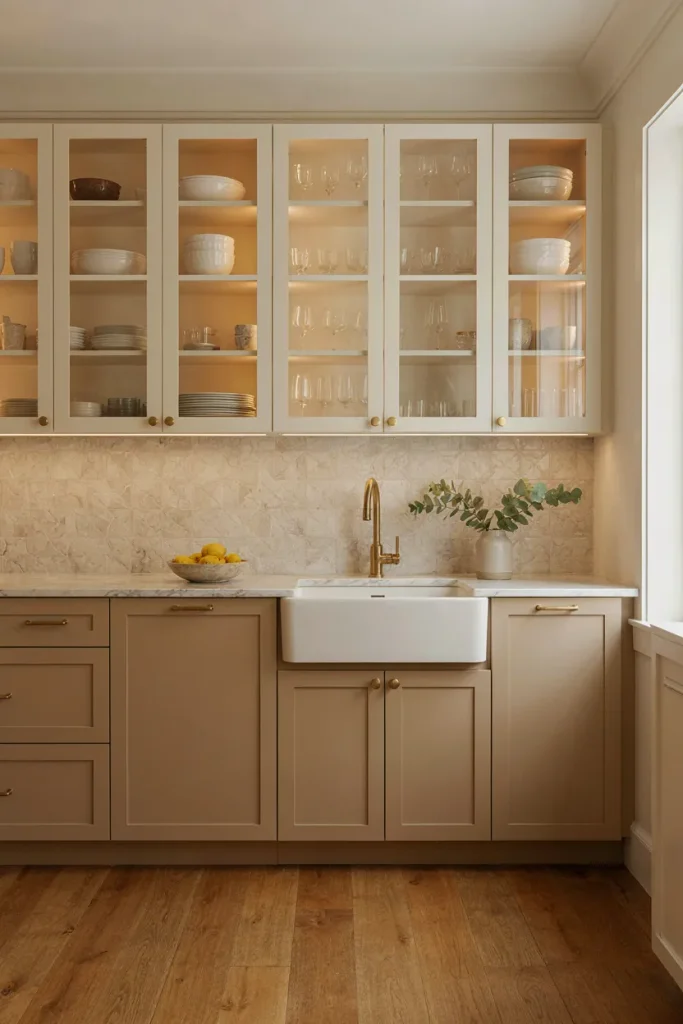
Glass front cabinets introduce openness and subtle elegance while keeping everyday dishes protected behind doors. Their transparent panels create visual depth, making upper cabinetry feel less bulky in kitchens with limited wall space.
- Choose clear glass: Display coordinated dinnerware, drinking glasses, and decorative ceramics for a clean, organized appearance.
- Consider reeded glass: Lightly textured panels soften the view of stored items while adding subtle visual interest.
- Install interior lighting: Warm LED strips highlight shelving and create a gentle evening glow.
- Coordinate cabinet frames: Match surrounding cabinet colors for a cohesive finish or use natural wood for contrast.
- Keep displays simple: Group similar dishes together and leave some open space between decorative pieces.
Glass cabinet doors work especially well near a kitchen sink or coffee station, where attractive everyday essentials are easy to display. For a balanced design, replace only two or three solid upper doors with glass. This creates a decorative focal point without requiring every shelf to remain perfectly organized.
Floor To Ceiling Cabinets
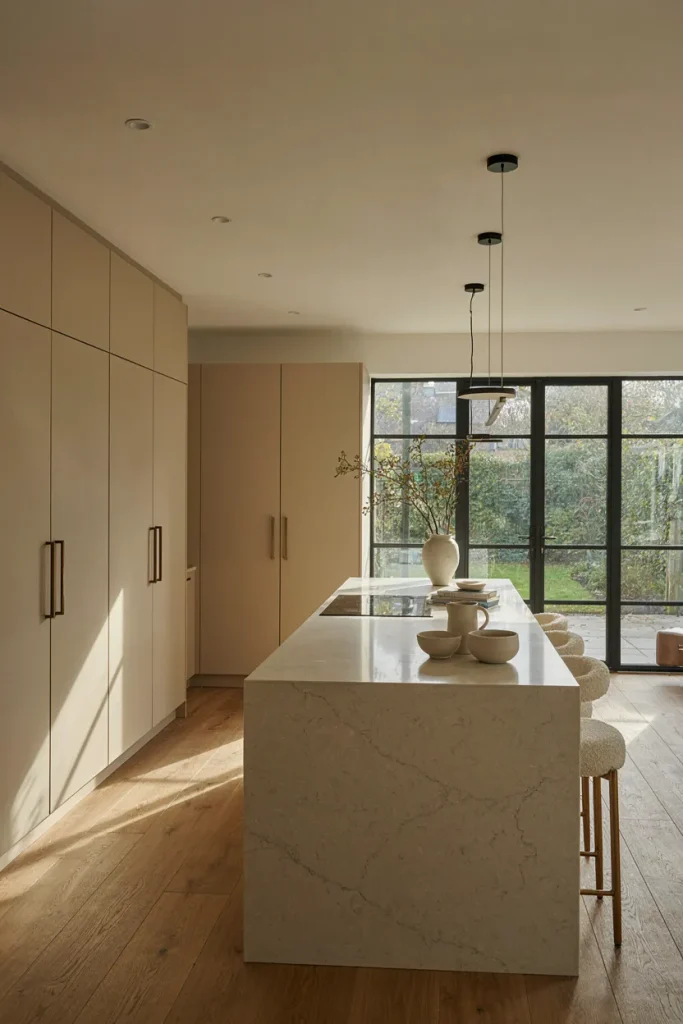
Quick Tip:
Use the highest shelves for seasonal dishes, rarely used appliances, and lightweight storage containers. Keep everyday cookware and pantry essentials between waist and shoulder height for easier access. Include adjustable shelving to accommodate changing storage needs.
Tall cabinetry creates a streamlined appearance while maximizing vertical storage, especially in kitchens with limited floor space. Matching pantry doors with surrounding cabinets helps reduce visual clutter. For a refined finish, use simple hardware and coordinate cabinet colors with nearby walls. Always measure ceiling height and allow sufficient installation clearance.
Rich Walnut Cabinetry
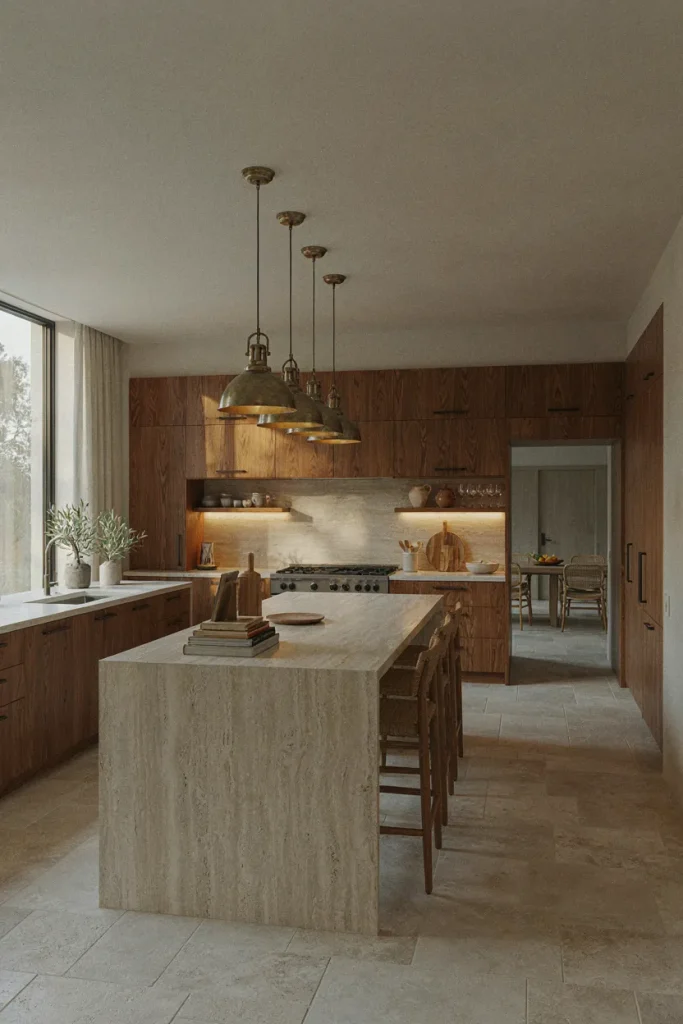
BEFORE:
A kitchen filled with pale cabinets and similar neutral surfaces can lack visual contrast. The room may feel clean but somewhat flat, particularly when countertops, walls, and flooring share nearly identical tones.
AFTER:
Rich walnut cabinetry introduces deep brown tones and distinctive wood grain, creating warmth and architectural character. Paired with light countertops and subtle hardware, the darker wood becomes a sophisticated focal point without making the kitchen feel overly traditional.
Walnut works especially well in kitchens with generous daylight and warm neutral surroundings. Choose a finish that highlights the natural grain without excessive shine. For smaller layouts, use walnut on lower cabinets or a central island, then balance it with cream upper cabinetry and a light backsplash.
Dusty Blue Kitchen Cabinets

1. Choose a muted blue shade: Select dusty blue paint with subtle gray undertones for a softer appearance that complements both modern and traditional kitchens.
2. Pair with warm neutrals: Combine blue cabinetry with creamy white countertops and ivory backsplash tiles to prevent the space from feeling too cool.
3. Select understated hardware: Brushed nickel, antique brass, or satin bronze handles create a polished finish without competing with the cabinet color.
4. Introduce natural textures: Add oak shelving, woven stools, or wooden accessories to balance the cool blue tones.
5. Test paint samples: Observe the color during morning, afternoon, and evening lighting before making your final selection.
Dusty blue cabinetry creates a calming atmosphere while introducing more personality than standard white finishes. It works beautifully in coastal, farmhouse, and transitional kitchens. For a subtle approach, paint only the lower cabinets blue and keep upper cabinets creamy white. This maintains brightness while adding gentle color contrast.
Reeded Glass Cabinet Doors
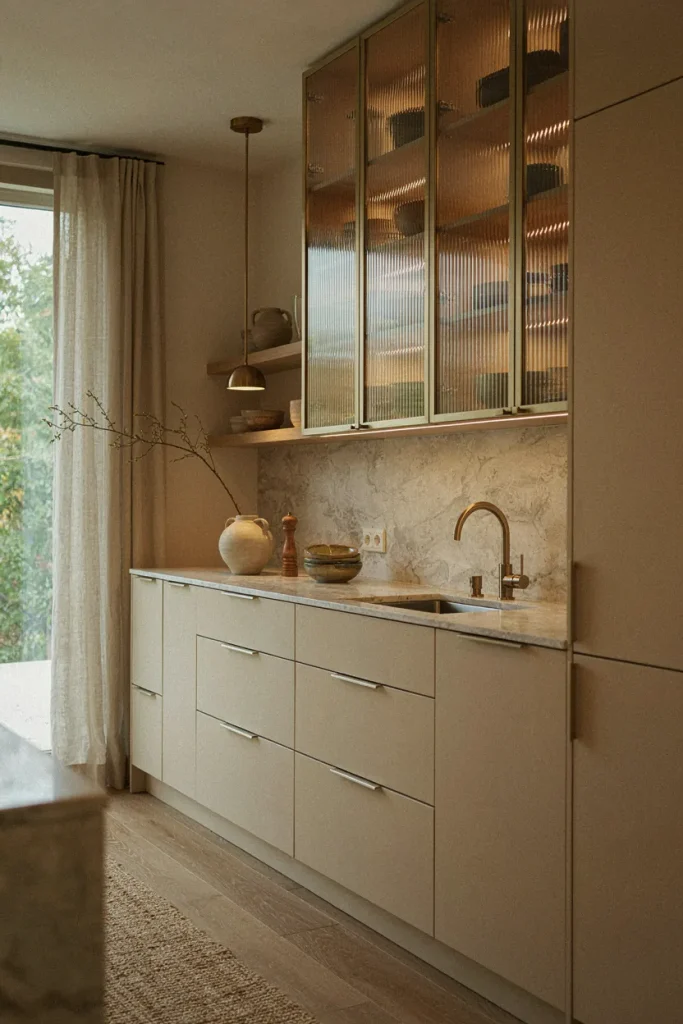
Reeded glass cabinet doors introduce elegant texture while partially concealing the contents inside. Their vertical ridges create soft visual movement, making them a stylish alternative to traditional clear glass panels.
| Design Feature | Clear Glass Doors | Reeded Glass Doors |
| Visibility | Contents clearly visible | Contents partially obscured |
| Appearance | Open and traditional | Textured and contemporary |
| Display needs | Organized shelves preferred | More forgiving of everyday storage |
| Light transmission | Clear, direct visibility | Soft, diffused appearance |
| Cleaning | Smooth glass surface | Grooves require extra attention |
Reeded glass works particularly well on upper cabinets, beverage stations, and pantry doors. Choose warm interior lighting to emphasize the textured surface and create a gentle evening glow. For visual balance, combine a few reeded glass doors with solid cabinetry rather than repeating the material throughout the entire kitchen.
Soft Taupe Kitchen Cabinets
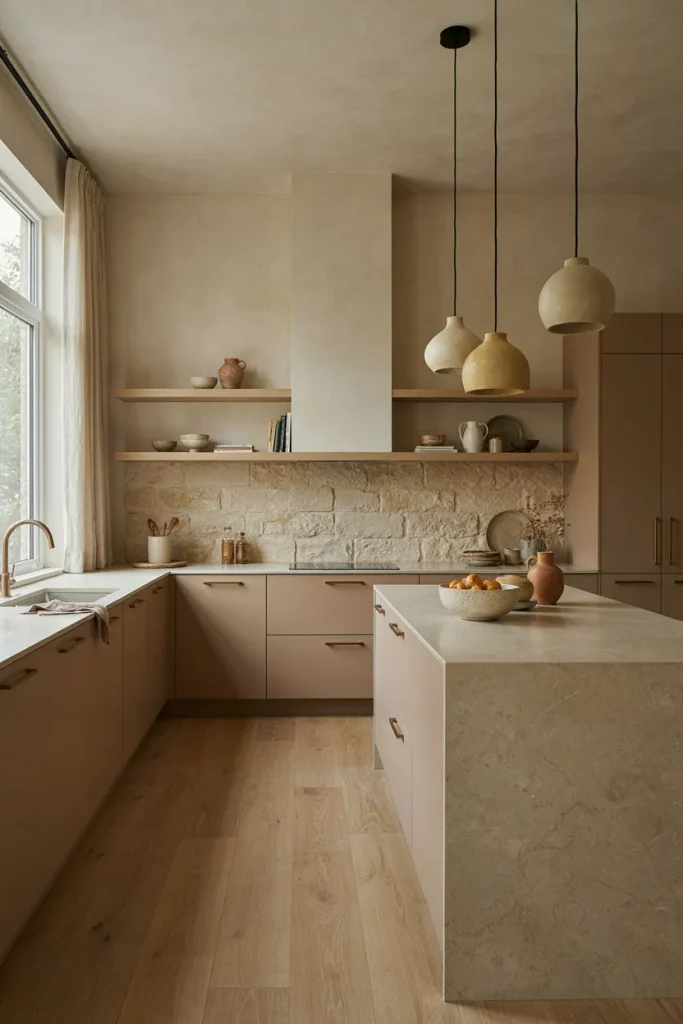
Soft taupe cabinets create a sophisticated neutral foundation without the stark appearance of pure white. Their earthy undertones blend beautifully with natural stone, light wood, and warm metallic finishes.
DO:
- Choose taupe shades that complement your flooring undertones.
- Pair cabinets with ivory or creamy quartz countertops.
- Use warm white lighting to enhance the neutral palette.
- Introduce oak or walnut accents for natural contrast.
DON’T:
- Mix cool gray and warm taupe finishes without comparing samples.
- Choose overly glossy doors for a soft organic aesthetic.
- Add too many competing beige and brown shades.
- Ignore how artificial lighting changes the cabinet color.
Taupe cabinetry works especially well in open-plan kitchens where the cooking area connects with neutral living room furniture. For a coordinated finish, repeat the cabinet color in subtle accessories or nearby wall treatments. Matte or satin finishes preserve the understated appearance while remaining practical for everyday cleaning.
Vertical Grain Wood Cabinets

Best For: Modern, Scandinavian, and minimalist kitchens seeking natural warmth.
Material: Oak, walnut, or wood veneer panels with vertically aligned grain patterns.
Finish: Matte or low sheen protective coatings that preserve natural wood texture.
Maintenance: Clean with a soft damp cloth and avoid harsh abrasive products.
Vertical grain cabinetry draws the eye upward, creating a taller and more streamlined appearance. It works especially well on full height pantry doors and kitchen islands. For a coordinated finish, align the grain direction across neighboring cabinet fronts and pair the wood with simple countertops that allow its natural texture to stand out.
Creamy Off White Cabinets
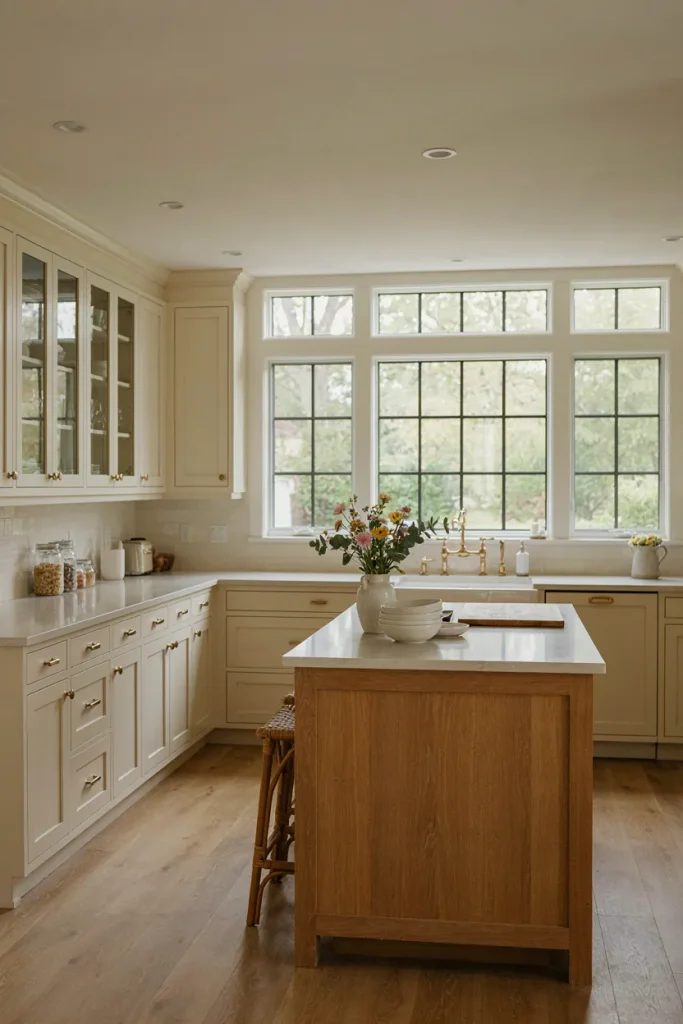
Creamy off white cabinetry creates a bright kitchen without the harsh contrast sometimes associated with brilliant white finishes. Its subtle warmth complements natural oak floors, beige stone, and aged brass hardware. The result feels comfortable and polished, especially in kitchens where neutral colors extend into nearby dining or living areas.
For a cohesive design, compare cabinet samples against your countertop and backsplash under different lighting conditions. Choose complementary ivory shades rather than mixing noticeably yellow creams with cool whites. Satin finishes offer a practical balance of gentle sheen and cleanability. Finish the room with natural wood accents to reinforce the warm palette.
Mixed Wood Cabinet Finishes

Mixing light and dark wood finishes introduces contrast while maintaining a warm, natural kitchen atmosphere. The key is choosing wood tones that complement each other rather than competing for attention.
- Choose two main finishes: Pair light oak with deeper walnut to create a clear contrast without overwhelming the room.
- Match undertones: Combine woods with similar warm or neutral undertones for a more coordinated appearance.
- Keep countertops simple: Creamy quartz or pale natural stone allows the different wood grains to remain the focal point.
- Create visual balance: Use darker wood on lower cabinets or the island and lighter wood on upper cabinets.
- Repeat hardware finishes: Consistent brass, bronze, or black handles help connect the cabinetry.
Mixed wood cabinetry works particularly well in open concept kitchens where wooden furniture and flooring are already visible. Before selecting finishes, place samples beside the existing floor to compare undertones. Limit the design to two dominant cabinet woods, allowing countertop materials and wall colors to provide a calm visual background.
Slim Shaker Cabinet Doors

Quick Tip:
Choose Shaker doors with narrow frames measuring approximately half an inch to one inch for a cleaner, more contemporary appearance. Compare physical door samples before ordering because frame widths and proportions vary between manufacturers. Select simple bar pulls or understated knobs to complement the delicate detailing.
Slim Shaker cabinetry combines classic craftsmanship with a streamlined appearance, making it suitable for both modern and transitional kitchens. Narrow frames add subtle dimension without the heavier look of traditional Shaker doors. Pair them with matte finishes, simple countertops, and minimal hardware to maintain a clean, balanced design.
Earthy Terracotta Cabinets
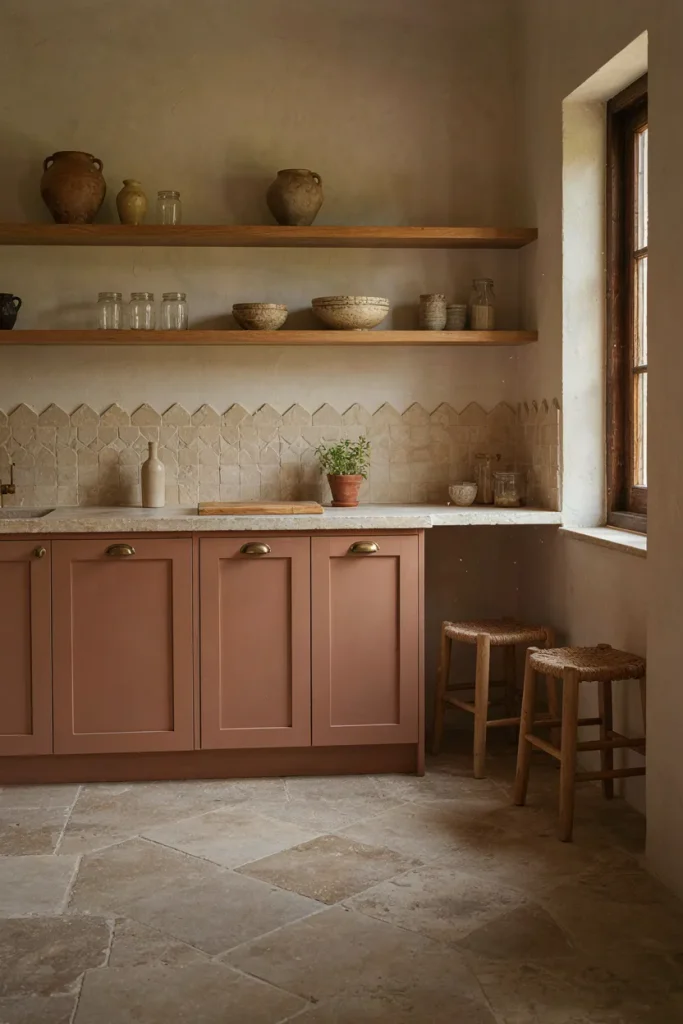
BEFORE:
A kitchen dominated by cool gray cabinets and plain white surfaces can sometimes feel impersonal or visually flat. Without warmer materials or color accents, the space may lack the cozy atmosphere many homeowners prefer.
AFTER:
Muted terracotta cabinetry introduces earthy warmth and a distinctive Mediterranean inspired character. Creamy countertops, natural wood accents, and textured backsplash tiles soften the reddish undertones, creating a welcoming kitchen that feels colorful without becoming overly bright.
Choose dusty clay or brown based terracotta shades instead of highly saturated orange for a more understated appearance. This color works especially well on lower cabinets or kitchen islands. Pair it with ivory walls, aged brass hardware, and natural stone surfaces. Test samples carefully because warm lighting can intensify orange undertones.
Integrated Appliance Cabinets
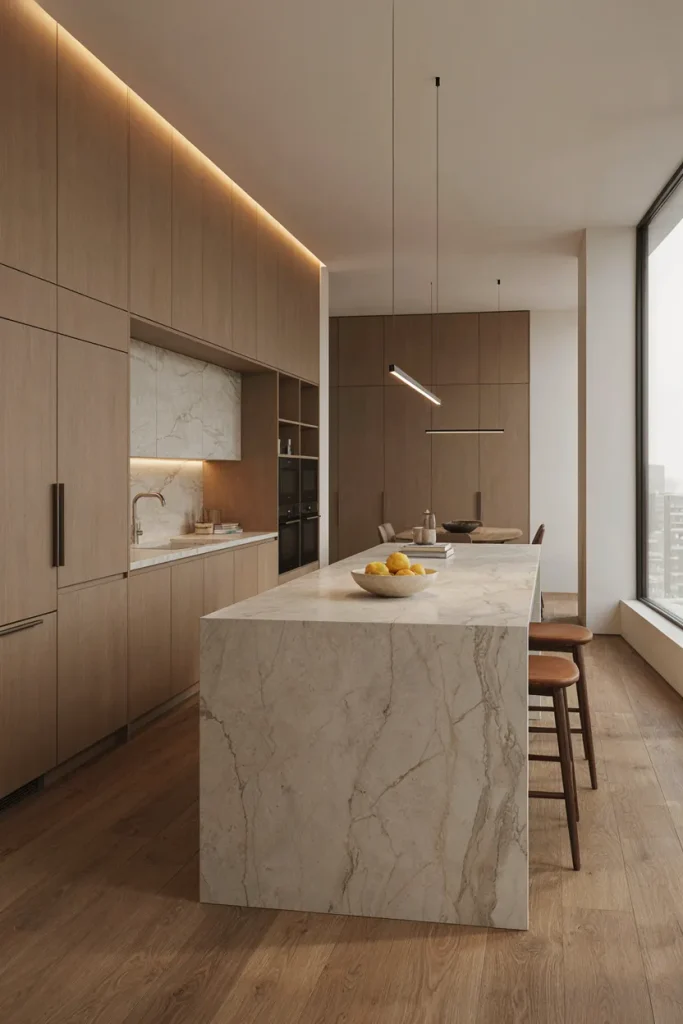
1. Identify compatible appliances: Choose panel ready refrigerators and dishwashers specifically designed to accept custom cabinet fronts.
2. Match cabinet materials: Use the same color, finish, and door style on appliance panels as the surrounding cabinetry.
3. Plan ventilation requirements: Follow manufacturer specifications for airflow, clearances, and installation dimensions.
4. Coordinate opening mechanisms: Select handles or integrated pulls that provide sufficient grip for heavier appliance doors.
5. Check service accessibility: Make sure appliance panels can be removed when maintenance or repairs are necessary.
Integrated appliance cabinetry creates a continuous appearance by reducing visible interruptions between storage units and appliances. It is particularly effective in open-plan homes where the kitchen remains visible from living areas. Budget for compatible appliances and professional installation, since custom panels and specialized hardware can increase renovation costs.
Muted Olive Green Cabinets

Best For: Organic modern, Mediterranean, farmhouse, and contemporary kitchens.
Color Palette: Muted olive green, warm ivory, natural walnut, and antique brass.
Hardware: Aged brass, brushed bronze, or matte black handles.
Finish: Durable satin or matte cabinet paint with a soft, understated appearance.
Muted olive green cabinetry introduces earthy richness without the intensity of brighter green shades. Its warm undertones complement natural wood, creamy stone, and textured backsplash tiles. For smaller kitchens, use olive green on lower cabinets while keeping upper cabinetry light. This combination creates visual contrast while maintaining a welcoming atmosphere.
Conclusion
Refreshing your kitchen doesn’t always require a complete renovation. Sometimes, a new cabinet color, updated hardware, or a beautiful wood finish is enough to create a noticeable change.
These 22 kitchen cabinet trends offer inspiration for every style, from cozy farmhouse kitchens to sleek modern spaces. Choose ideas that complement your existing finishes, fit your budget, and make daily routines more enjoyable.
These kitchen cabinet trends make it easier to create a beautiful, practical, and welcoming kitchen.
Inhein existing text ke saath naturally adjust karein, sirf keyword repeat karne ke liye content na barhayein.
Save this post on Pinterest for your next kitchen update, try one or two favorite ideas, and share it with someone planning a makeover.
Your dream kitchen can start with one thoughtful design choice!