23 Stunning Wall Paneling Ideas for an Elegant, Textured Look
A plain wall can make even a beautifully furnished room feel unfinished. The right details can change everything, adding warmth, character, and a polished look without replacing your favorite furniture.
These 23 wall paneling ideas will help you find a style that suits your home, whether you love modern minimalism, cozy farmhouse interiors, or timeless elegance. From classic board and batten to natural wood slats, sage green finishes, and decorative picture frame molding, there are plenty of ways to introduce texture and visual interest.
If you are decorating on a budget, simple trim and carefully chosen paint colors can create an impressive result without requiring an expensive renovation. I’ve noticed that the most successful designs often complement the room’s existing furniture, lighting, and proportions rather than compete with them.
As you explore these ideas, consider your room size, natural light, preferred colors, and DIY experience. You will discover practical inspiration for creating a more welcoming, balanced, and thoughtfully finished home.
Classic Board and Batten
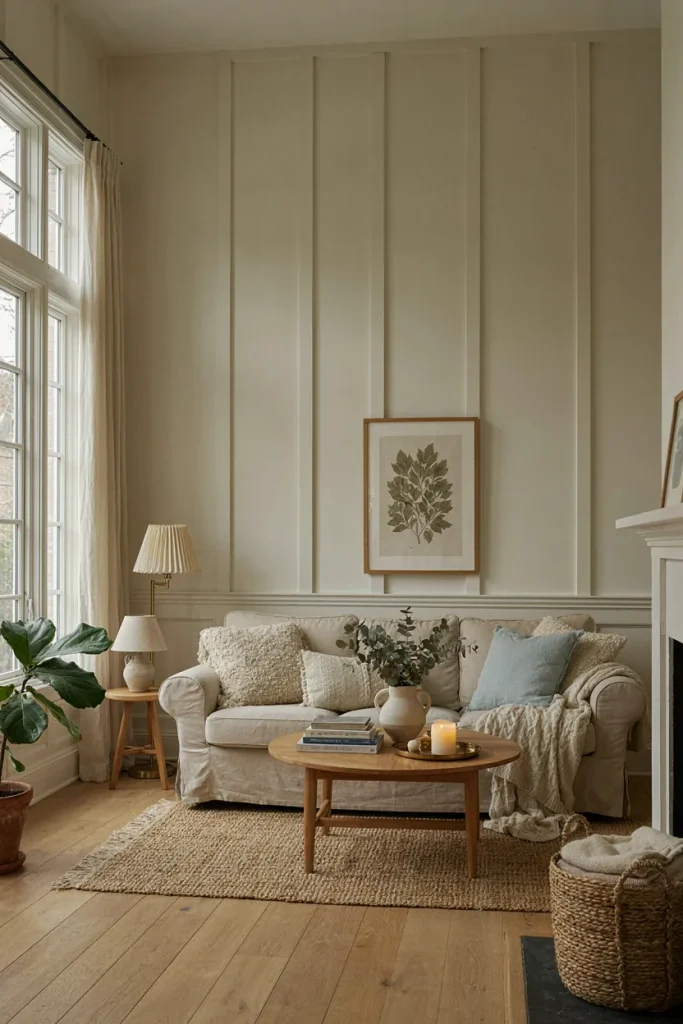
This wall paneling style brings structure and quiet elegance to a plain wall without making the room feel busy. The evenly spaced vertical strips create a tailored appearance that works beautifully in living rooms, bedrooms, hallways, and dining areas. Warm white paint keeps the design light and welcoming.
For a balanced finish, measure the wall carefully before installing the battens. Keep the spacing consistent, and align the panels with nearby door frames or windows where possible. I’ve noticed that simple trim designs often look more expensive when the proportions are carefully planned. Pair this style with natural wood and soft fabrics for a comfortable, timeless interior.
For more guidance on panel styles and wall treatments, explore This Old House’s guide to wainscoting and decorative panels.
Two-Tone Wall Panels
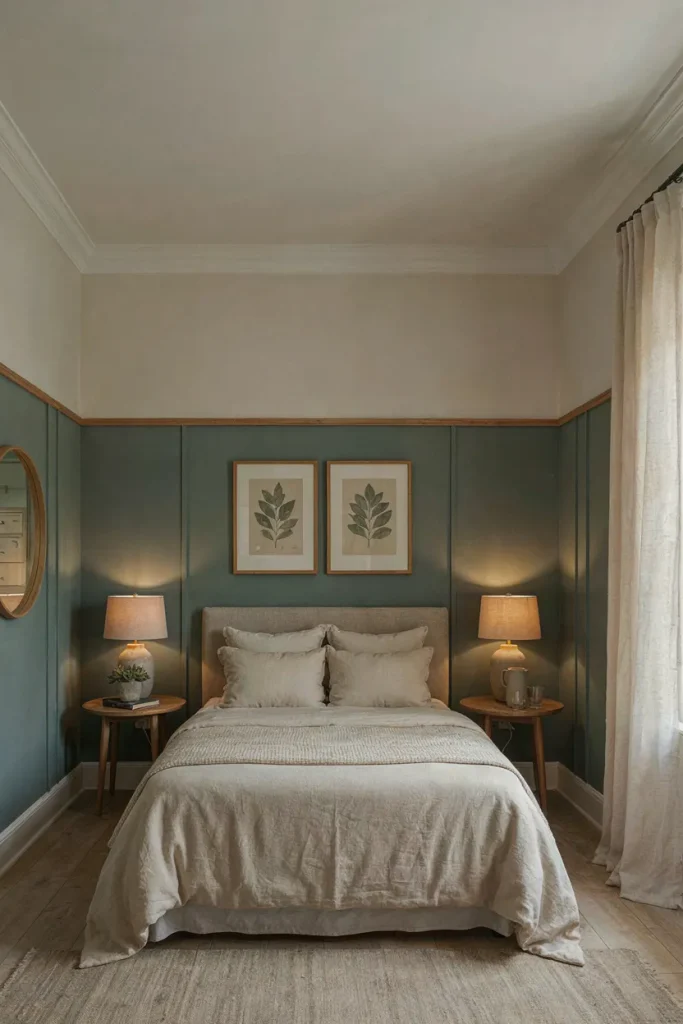
Color can completely change the way a paneled wall feels, and a two-tone finish adds depth without requiring an elaborate design. Pair a muted shade such as sage green, dusty blue, or taupe on the lower panels with a lighter color above. The contrast creates a clear visual boundary while keeping the room balanced.
- Choose the lower color: Use a deeper shade to ground the room.
- Keep the upper wall light: Warm white or ivory helps reflect natural light.
- Plan the dividing line: Position the molding according to the ceiling height and furniture placement.
- Coordinate accessories: Repeat one of the wall colors in cushions, artwork, or curtains.
- Test paint samples: Check both shades in morning and evening light.
This approach works especially well behind a bed, along a dining room wall, or in a narrow hallway. For a cohesive result, keep the contrast noticeable but not overwhelming, particularly in rooms with limited daylight.
Also View: 23 Stunning Media Wall Fireplace Ideas for a Cozy Focal Point
Vertical Slat Wood Walls

Vertical wood slats introduce warmth and rhythm while making a room feel taller. Their narrow lines draw the eye upward, which can be especially useful in spaces with standard ceiling heights. Light oak suits Scandinavian interiors, while walnut creates a richer, more dramatic finish for contemporary living rooms and bedrooms.
Before installation, decide whether the slats should cover the entire wall or form a smaller feature behind a television or sofa. Full-height panels create a stronger architectural statement, while a partial installation uses less material and leaves more room for artwork. Check that the wall surface is suitable for the chosen mounting system, and plan cable access before covering a media wall.
For a polished look, combine the timber texture with plain upholstery, simple lighting, and a limited color palette. Dust can collect between narrow slats, so consider how easily the surface can be cleaned before choosing a design for a busy household.
Geometric Square Panels
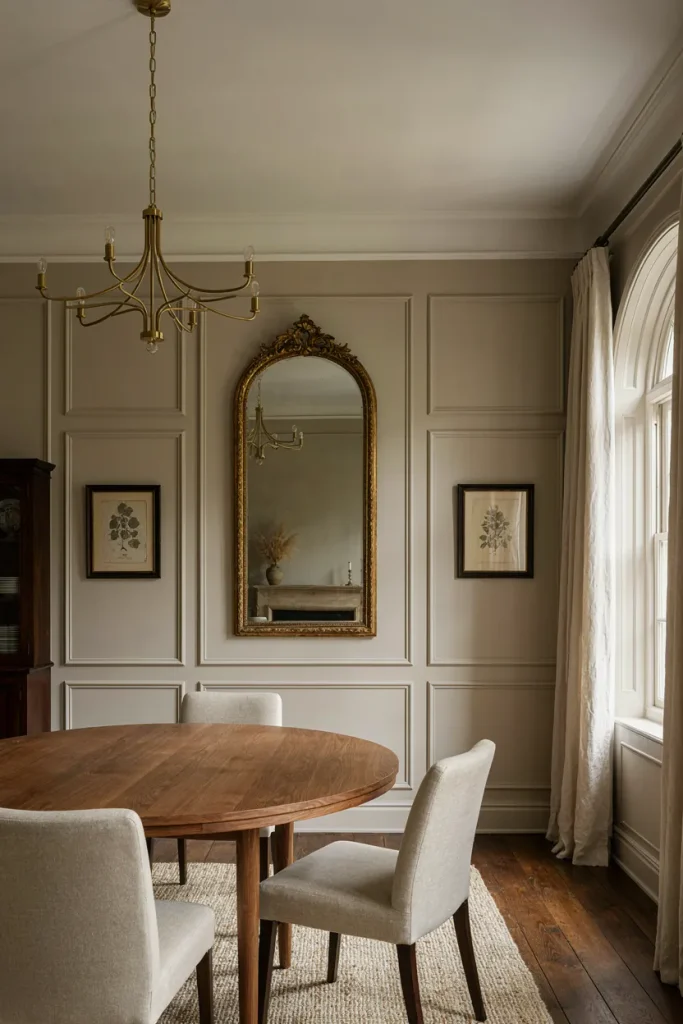
BEFORE: A plain dining room wall can feel unfinished, especially when the furniture is simple and the space lacks architectural detail. Large blank surfaces may also make artwork and decorative accessories feel disconnected.
AFTER: Symmetrical square molding gives the wall a structured, custom-built appearance. The repeated shapes create visual rhythm and make the dining area feel more intentional without adding bulky furniture.
For the best result, map out the complete arrangement before attaching any trim. Keep the frames evenly spaced and leave consistent gaps around corners, doors, and windows. A single paint color across the wall and molding creates a subtle, elegant finish that suits both traditional and contemporary homes.
Half-Wall Bedroom Paneling

A bedroom can feel more finished with decorative panels that extend only halfway up the wall. This arrangement adds character behind the bed without competing with artwork, bedside lamps, or other focal points. It also creates a natural transition between the lower wall and the lighter upper section.
- Measure the height: Mark a consistent line around the room, accounting for the bed and other furniture.
- Choose the trim: Select simple rectangular molding for a classic look or narrow vertical battens for a cleaner style.
- Plan the spacing: Draw the panel layout on paper before cutting any materials.
- Install and finish: Secure the trim, fill visible gaps, sand smooth, and paint the completed surface.
For a restful atmosphere, consider dusty blue, sage green, warm beige, or muted taupe. Keep the upper wall light if the bedroom receives limited daylight. The finished design should complement the bed rather than create a competing focal point.
Shiplap Accent Walls

| Design feature | Option A: Horizontal shiplap | Option B: Vertical shiplap |
| Visual effect | Makes a wall feel wider | Draws the eye upward |
| Overall style | Relaxed farmhouse | Fresh and contemporary |
| Best placement | Behind a sofa or bed | Entryways and smaller rooms |
| Cleaning | Dust collects in horizontal grooves | Dust collects along vertical seams |
Horizontal shiplap gives a room a relaxed, welcoming character through its long lines and subtle grooves. Painted boards suit bright farmhouse interiors, while natural timber introduces a warmer, more rustic finish. For a neat result, keep the gaps consistent and choose a board width that complements the wall rather than overwhelming it.
Before installation, check whether your wall is flat and identify the appropriate fixing method for the materials you select. In kitchens and bathrooms, use products suitable for the moisture levels in the room. A carefully finished shiplap wall adds texture without requiring a complicated decorative pattern.
Dark Charcoal Panels

DO: Choose a matte charcoal or deep graphite paint to create a sophisticated backdrop. Pair it with warm wood, cream upholstery, and brass lighting to balance the darker finish. Use consistent panel spacing so the wall feels architectural rather than cluttered.
DON’T: Paint every surface dark in a small room without considering the available light. Avoid combining too many competing patterns or placing dark furniture directly against the panels without contrast. Do not skip a primer when the existing wall color or material requires one.
Dark finishes can make decorative trim stand out through subtle changes in light and shadow. In my experience, charcoal looks especially inviting when paired with warm lamps and natural materials rather than cool white lighting alone. Consider using this treatment behind a bed, fireplace, or television to create a defined focal point.
Natural Oak Wall Panels
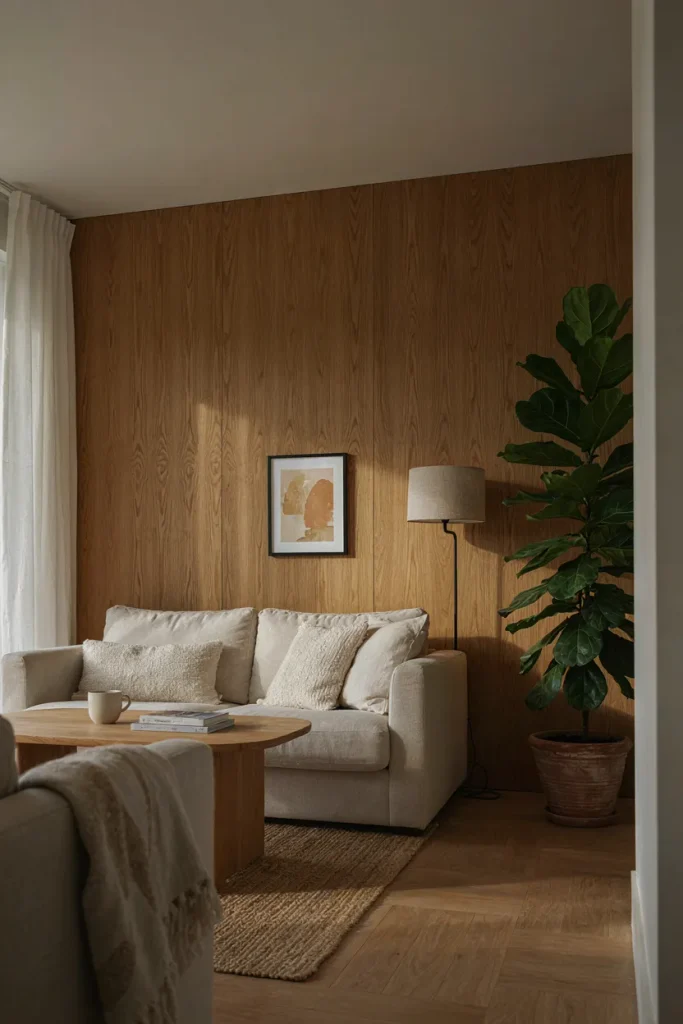
Cost: Moderate to high, depending on timber species and panel construction.
Time: One to several days, depending on wall size and installation complexity.
Skill Level: Intermediate for precise cutting and fitting.
Best For: Living rooms, bedrooms, home offices, and media walls.
Result: A warm, natural backdrop with subtle texture and visual continuity.
Natural oak brings warmth to modern interiors without relying on bold colors or intricate molding. Its pale golden tones work well with white walls, linen upholstery, and black accents. For a cohesive design, coordinate the panel finish with nearby furniture, but avoid matching every wooden surface exactly. Slight variations in grain and tone help the room feel more natural.
Picture Frame Molding
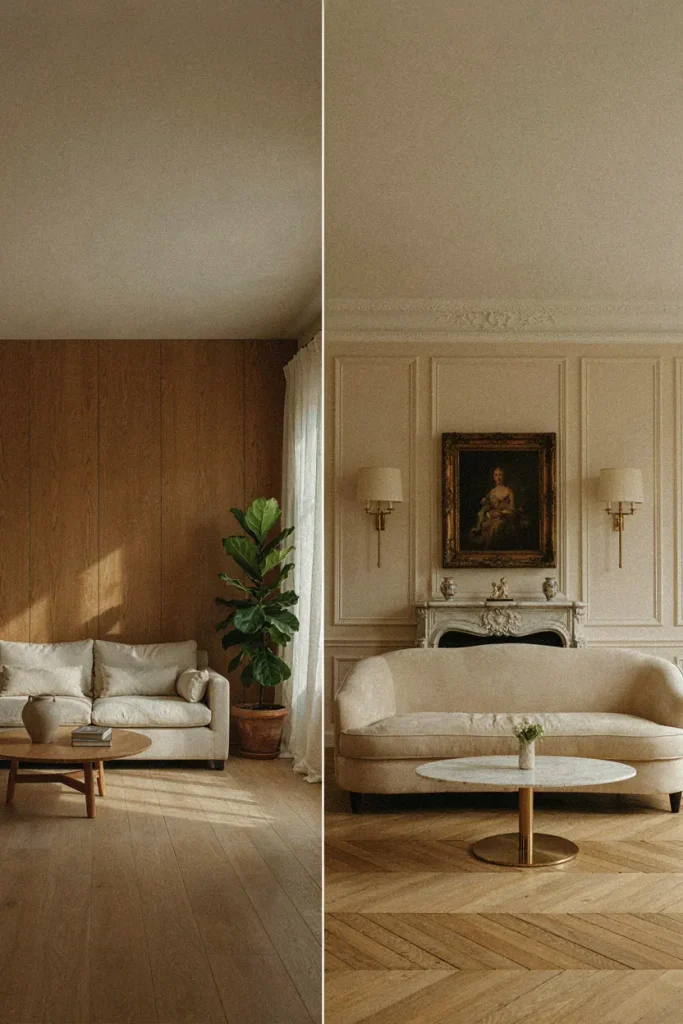
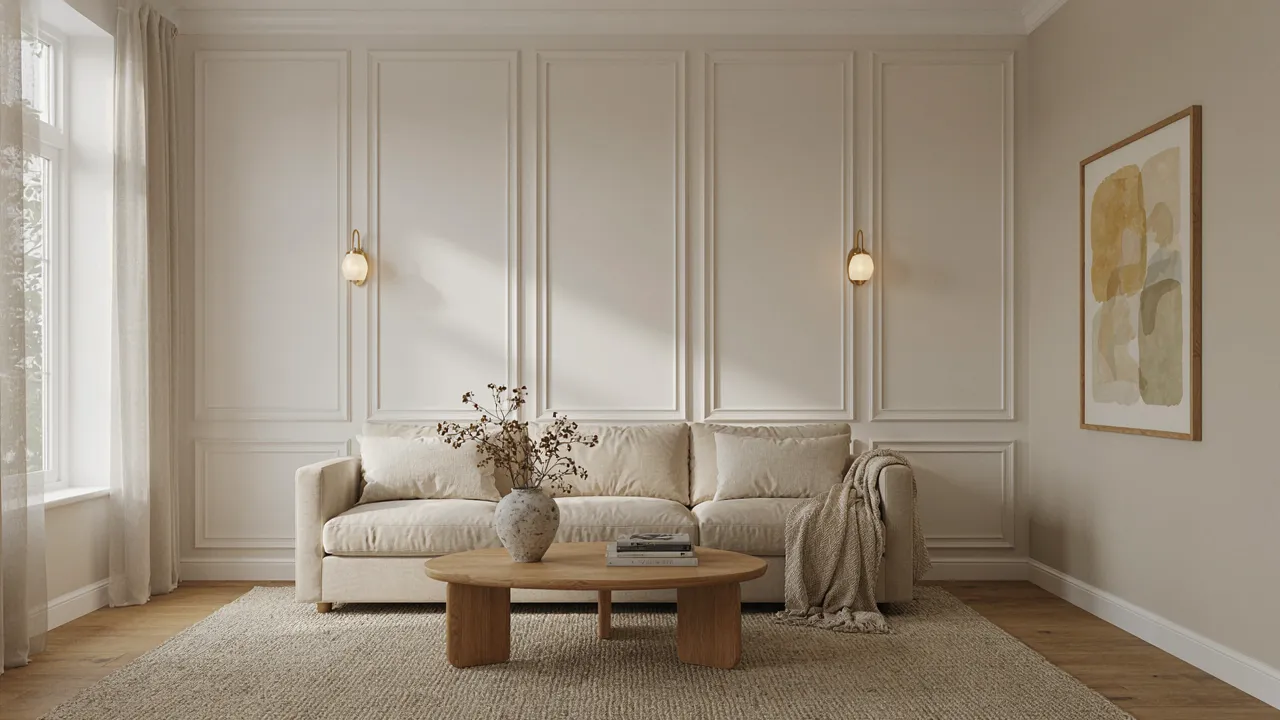
Picture frame molding gives plain walls the appearance of carefully detailed architecture, even when the rest of the room has simple furnishings. Tall rectangular frames work particularly well in rooms with higher ceilings, while smaller, wider frames can suit compact spaces. The key is to match the molding proportions to the wall.
Before buying trim, sketch the frames directly onto a scaled drawing of the wall. Account for skirting boards, switches, sockets, doors, and furniture so the finished arrangement looks intentional. Keep the gaps between frames consistent, and paint the molding the same color as the wall for a subtle, elegant effect.
This style works beautifully in dining rooms, bedrooms, and formal living areas. If you plan to hang artwork, decide on its placement before installing the frames so the composition feels balanced rather than crowded.
Vertical Groove Panels
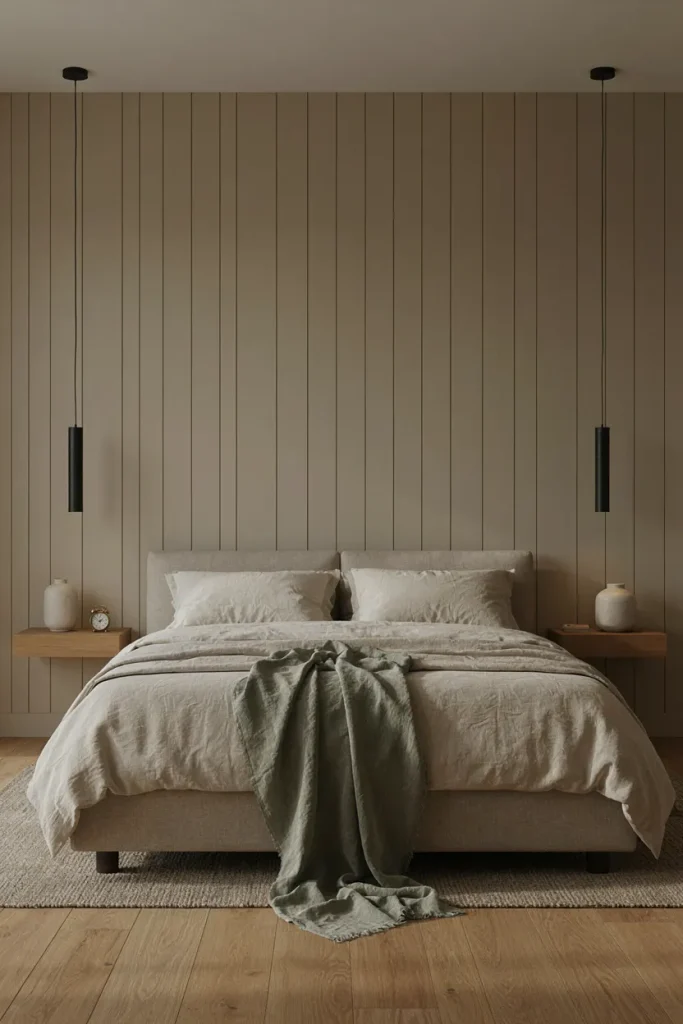
- Choose the panel profile: Narrow grooves create delicate texture, while wider channels produce a bolder architectural effect.
- Select a finish: Warm white, soft beige, and muted sage suit calm interiors.
- Plan the placement: Use vertical grooves behind a bed, along an entryway, or on a living room feature wall.
- Coordinate materials: Pair the panels with plain fabrics and natural wood to keep the room visually balanced.
- Check the lighting: Side lighting emphasizes the grooves and creates attractive shadows throughout the day.
Vertical groove panels add dimension without relying on elaborate decorative trim. Their repeating lines can make a wall feel taller and give a simple room a more finished appearance. For a subtle look, match the panel color to the surrounding walls. Choose a contrasting shade when the feature deserves more attention.
Painted MDF Panels
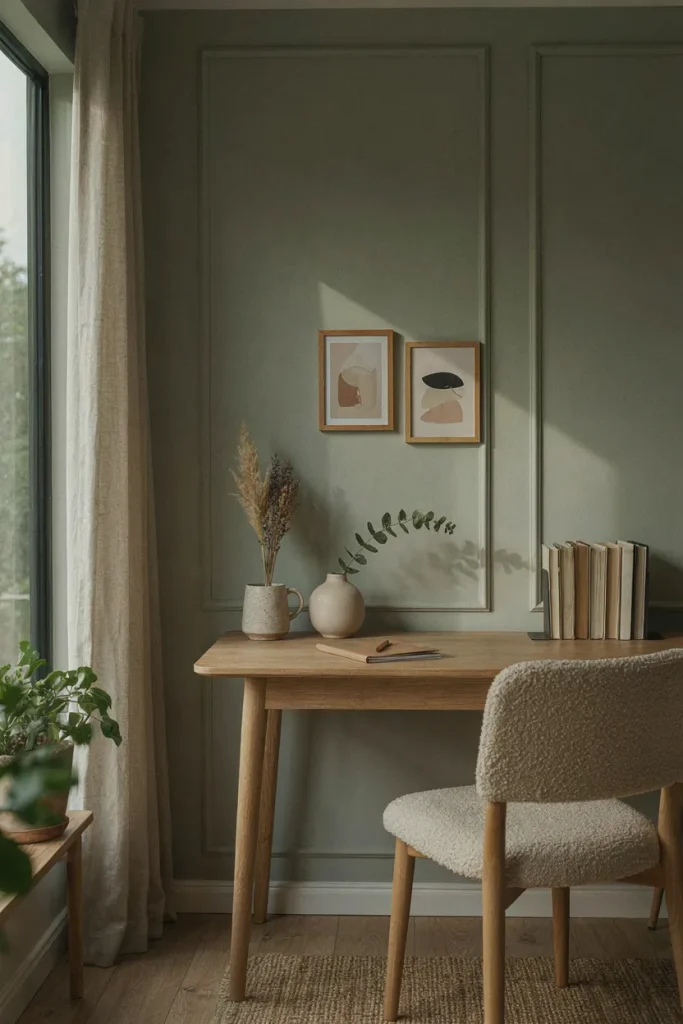
Image Description: Bright home office with smooth MDF wall panels painted muted sage green, simple rectangular framing, a light oak desk, cream upholstered chair, small ceramic accessories, and neatly arranged books. Soft natural window light reveals clean panel edges. Eye-level composition, modern minimalist decor, restrained earthy palette, realistic paint texture and crisp craftsmanship.
Quick Tip: MDF panels can provide a smooth, consistent finish for decorative wall designs without the expense of solid hardwood. Choose moisture-resistant MDF where appropriate, and follow the manufacturer’s installation and painting instructions. Seal cut edges properly, and use suitable primer before applying the final paint color.
Painted MDF works well for homeowners who want a clean, custom appearance without prominent wood grain. It can be cut into rectangular frames, vertical battens, or other simple profiles to suit the room. Before installation, check wall measurements, locate electrical wiring, and select an appropriate adhesive or fixing system. In damp areas, use materials specifically rated for the conditions rather than standard MDF.
Upholstered Wall Panels
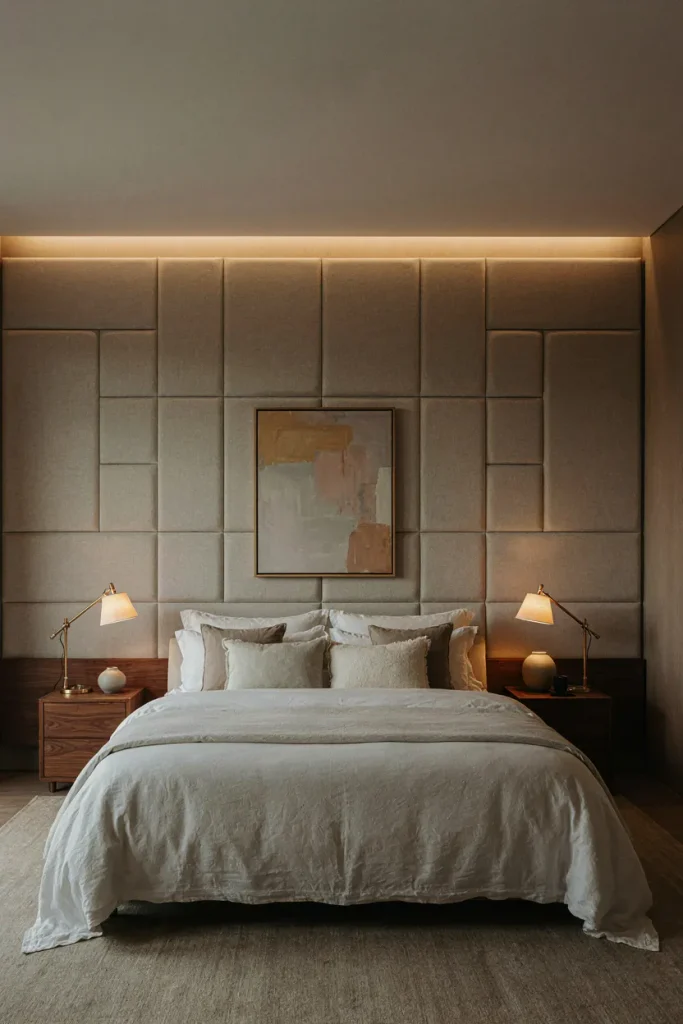
BEFORE: A bedroom wall behind the bed may feel hard, bare, or visually disconnected from the soft furnishings. A simple painted surface offers little texture, especially when the room uses neutral colors throughout.
AFTER: Upholstered panels introduce softness, depth, and a more cohesive headboard area. Fabric-covered sections can also help absorb some sound, although the amount depends on their thickness and construction.
For a practical design, choose tightly woven upholstery fabric that is easy to maintain and coordinate the panel dimensions with the bed. Secure each section using a suitable mounting system, especially for large or heavy panels. Keep electrical outlets accessible, and follow fire-safety guidance for upholstered wall materials. This approach suits bedrooms and reading nooks where a softer finish feels appropriate.
DIY Geometric Wall Trim
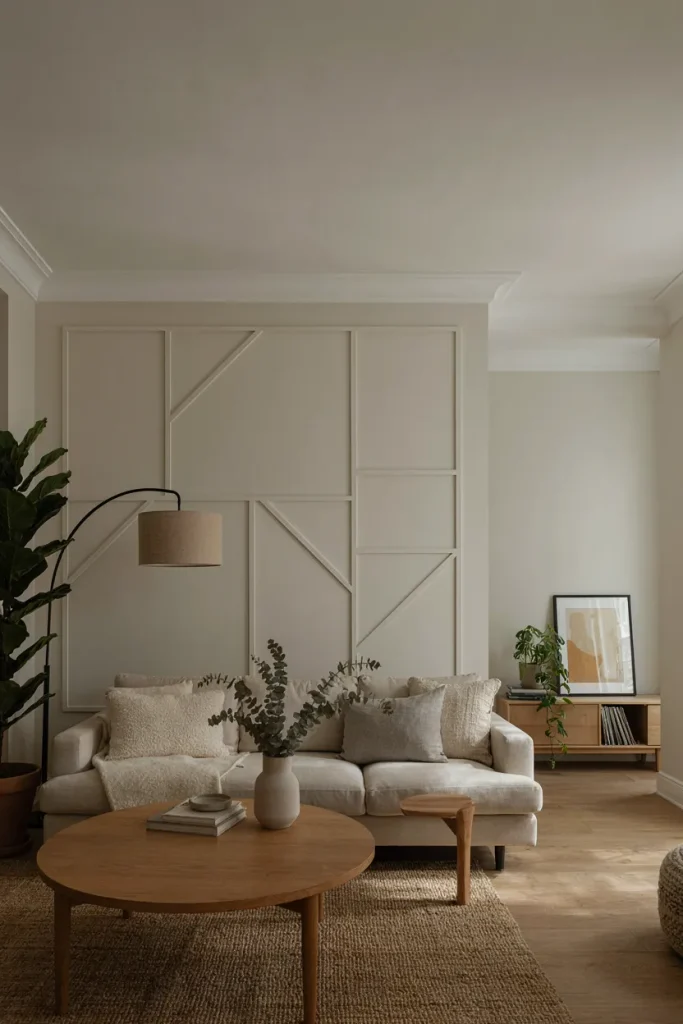
- Sketch the pattern: Draw a geometric layout on paper, keeping the shapes balanced across the wall.
- Mark the measurements: Transfer the design onto the wall with a pencil and level.
- Cut the molding: Measure each piece carefully and use suitable cutting tools for clean joints.
- Attach the trim: Secure the pieces with an appropriate adhesive or fixing method.
- Finish the surface: Fill gaps, sand the joints, apply primer where needed, and paint the entire design.
Geometric trim gives a plain wall a custom architectural finish without requiring expensive decorative panels. Simple rectangles mixed with a few diagonal lines can create interest while keeping the overall design controlled. For a cohesive result, use one paint color throughout and let the shapes provide the visual detail. This technique works especially well behind a sofa or in a home office.
Marble Effect Wall Panels
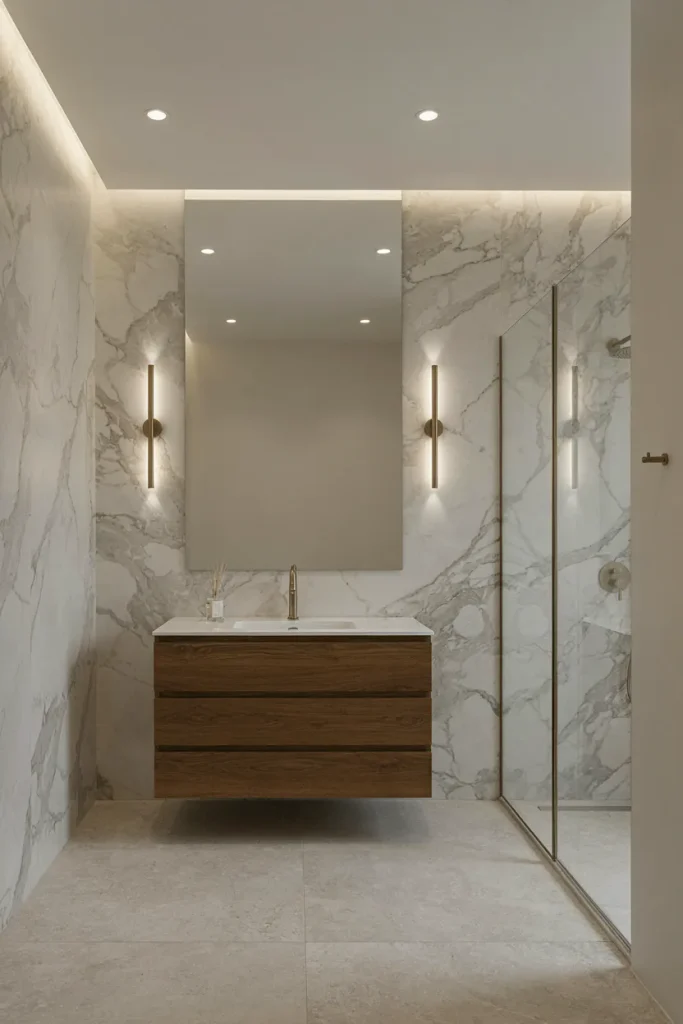
| Design feature | Option A: Marble-effect panels | Option B: Natural marble slabs |
| Appearance | Printed or engineered stone-like patterns | Natural veining with individual variations |
| Weight | Often lighter, depending on the product | Usually heavier |
| Maintenance | Depends on the panel material and finish | May require sealing and stone-specific care |
| Installation | Often uses a panel-specific fixing system | Requires suitable support and specialist fitting |
| Cost | Varies by material and quality | Often higher, especially with premium stone |
Marble-effect panels create a polished, stone-inspired appearance without necessarily using natural marble. They can work well behind a bathroom vanity, around a suitable shower enclosure, or on a decorative living room wall. Select products rated for the intended location, and check the manufacturer’s guidance for waterproofing, joints, cleaning, and installation.
Sage Green Panel Walls
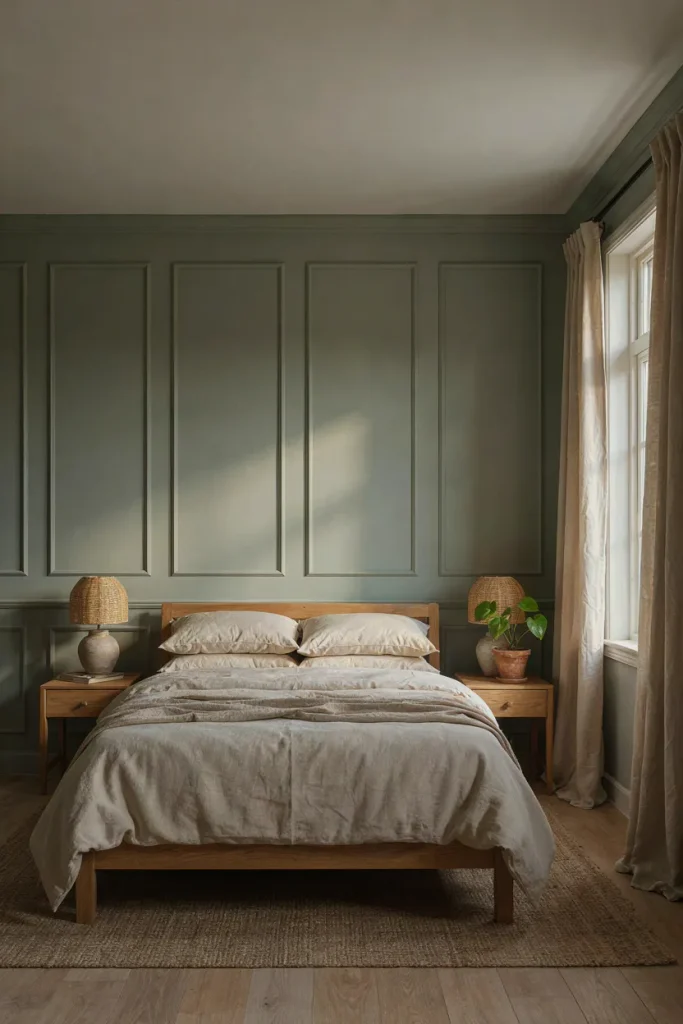
DO
- Choose a muted sage shade that complements the room’s natural light.
- Pair the green panels with warm white bedding, oak furniture, or cream upholstery.
- Use consistent molding proportions to create a neat, balanced finish.
- Test paint samples beside flooring and furniture before committing to the color.
DON’T
- Combine too many competing green shades in one small room.
- Choose a very dark finish without checking how it looks in evening light.
- Overload the wall with artwork that hides the panel details.
- Ignore the undertones of nearby flooring and fabrics.
Sage green adds color while maintaining a calm, understated atmosphere. Applied to decorative wall trim, it gives the room depth without demanding bright accessories or complicated patterns. I’ve noticed that this shade works particularly well with natural oak and warm white because the combination feels balanced rather than overly coordinated. Use it behind a bed or along a dining room wall for a gentle focal point.
Fluted Wood Panels
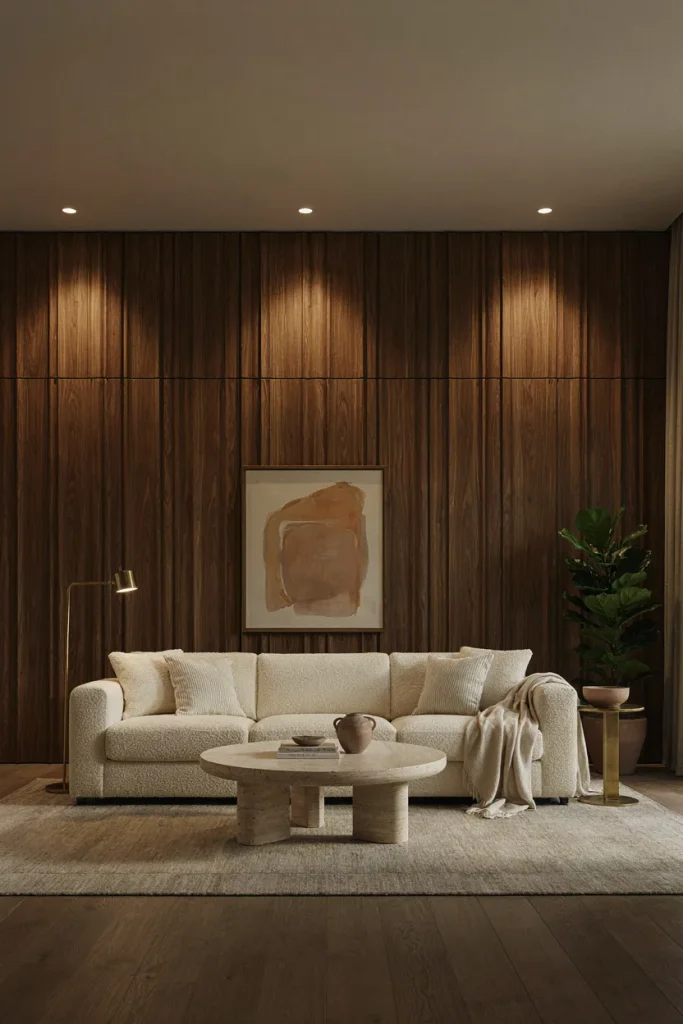
Cost: Moderate to high, depending on the panel material and finish.
Time: One to several days, depending on wall size and installation requirements.
Skill Level: Beginner to intermediate, depending on whether panels are prefabricated.
Best For: Television walls, entryways, bedrooms, and living room focal points.
Result: A rich, sculptural surface with repeating vertical texture.
Fluted panels add dimension through their rounded ridges and narrow grooves, creating a more sculptural appearance than flat boards. Walnut brings depth to a sophisticated living room, while pale oak keeps the design lighter and more relaxed. For a balanced finish, pair the textured wall with smooth furniture and understated accessories.
Before installation, check the panel dimensions and plan how the edges will meet corners, sockets, and adjoining walls. Prefabricated panels can simplify the process, but precise cutting is still important for a clean result. In busy homes, choose a finish that is easy to dust and maintain.
Classic Wainscoting
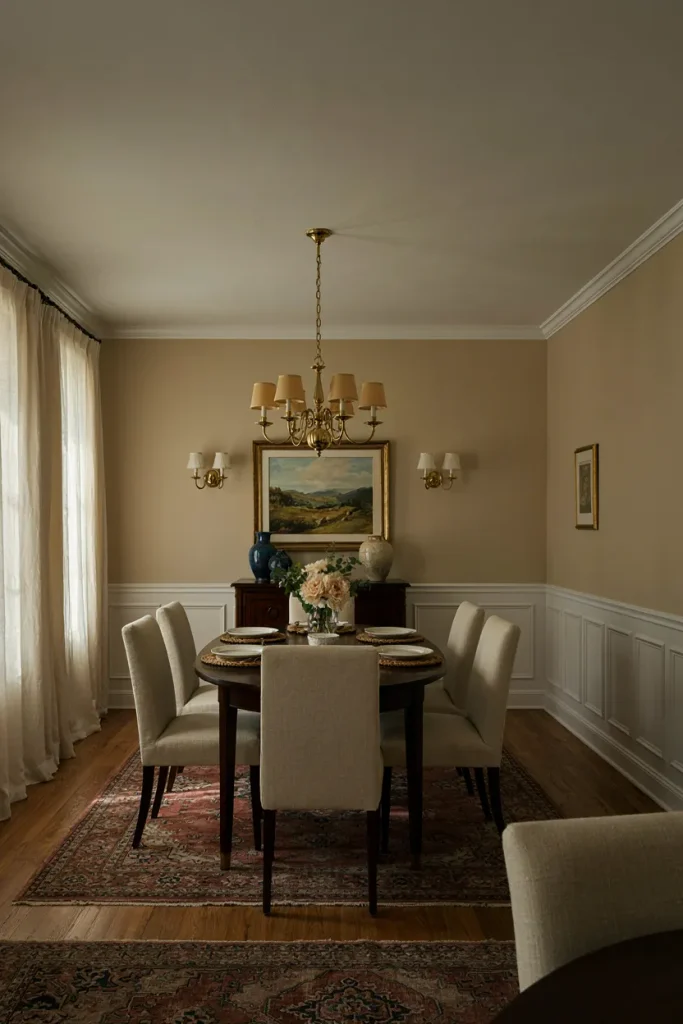
Wainscoting adds traditional character while protecting the lower portion of a wall from everyday scuffs. It works particularly well in dining rooms, entryways, hallways, and staircases where walls experience regular contact with furniture, bags, or foot traffic. White trim against a warm neutral wall creates a classic look without making the space feel overly formal.
- Measure the wall and choose a consistent panel height.
- Mark the top rail with a level to maintain a straight line.
- Plan the frame widths around doors, corners, and electrical outlets.
- Select durable paint that suits the room’s cleaning needs.
- Finish exposed edges and joints carefully for a built-in appearance.
For a more contemporary interpretation, paint the entire wall and wainscoting the same muted color. In traditional interiors, contrast the white lower panels with a soft beige or pale green upper wall. The proportions matter most, so test the layout before cutting or attaching the trim.
Black and White Panels

| Design element | Option A: Black panels | Option B: White panels |
| Visual effect | Bold contrast and dramatic depth | Light, subtle architectural detail |
| Best placement | Feature walls and well-lit living areas | Bedrooms, hallways, and compact rooms |
| Furniture pairing | Ivory, beige, oak, or brass accents | Dark wood, black accents, or colorful textiles |
| Maintenance | Dust may show against matte dark paint | Marks may show on pale surfaces |
| Overall mood | Modern and dramatic | Airy and timeless |
Black and white wall treatments create definition through contrast rather than complicated patterns. A black feature wall with white trim makes the molding stand out, while white panels against a white wall provide a softer effect. Consider the room’s natural light and existing furniture before choosing which color should dominate.
For a balanced result, limit the strongest contrast to one main wall and repeat each color in a few accessories. Matte finishes can create a refined appearance, but the right paint sheen depends on the wall condition and cleaning requirements. Carefully planned proportions will keep the design intentional rather than visually overwhelming.
Minimalist Flat Wall Panels

Clean lines and uninterrupted surfaces make minimalist panels ideal for homes that favor simplicity over decorative detail. Flat panels create subtle architectural interest without the raised molding or deep grooves found in more traditional designs. Choose warm white, pale taupe, or soft greige to maintain a calm, cohesive interior.
- Panel layout: Use large sections with discreet joints for a streamlined finish.
- Color choice: Match the panels to nearby walls for a quiet, continuous appearance.
- Furniture: Choose simple silhouettes and natural materials that do not compete with the wall.
- Lighting: Add concealed lighting or directional wall lights to reveal subtle surface changes.
Minimalist finishes depend on precise installation because uneven joints and visible gaps can interrupt the clean appearance. Measure carefully, check the wall’s flatness, and select panels designed for the intended room. This style works particularly well behind a television, along a hallway, or in a modern bedroom where visual calm is the priority.
Coastal White Wall Boards

Cost: Low to moderate for simple board treatments, depending on materials and installation.
Time: One to several days, depending on wall dimensions and preparation.
Skill Level: Beginner to intermediate, depending on cutting and fitting requirements.
Best For: Beach-inspired living rooms, guest bedrooms, sunrooms, and relaxed entryways.
Result: A bright, textured backdrop with a light coastal character.
Whitewashed boards introduce texture while preserving the airy feeling that makes coastal interiors so appealing. Their pale finish pairs naturally with sandy neutrals, faded blues, woven accessories, and light timber. Horizontal boards emphasize width, while vertical boards can draw the eye upward and create a slightly more contemporary appearance.
For a convincing finish, avoid making every surface pure white. Combine the boards with natural fibers, warm wood, and a few muted blue accents to give the room depth. In bathrooms or other damp spaces, select moisture-appropriate materials and follow the manufacturer’s installation guidance. A restrained palette helps the wall feel relaxed rather than overly themed.
Floor-to-Ceiling Panels
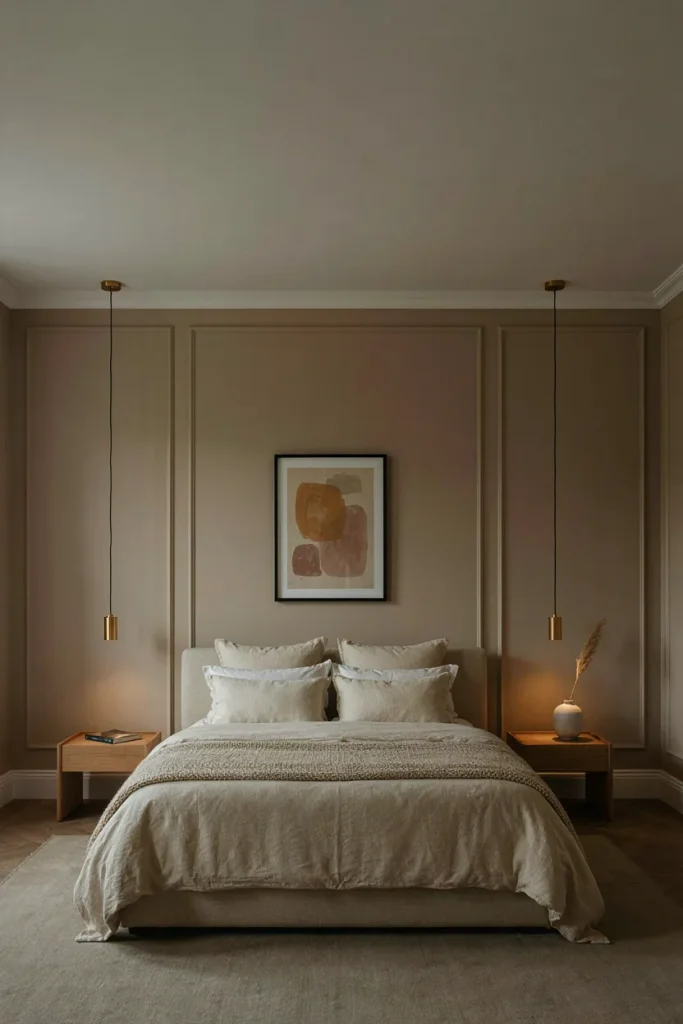
A full-height treatment creates a strong architectural feature by carrying the panel design from the floor to the ceiling. This approach works especially well behind a bed, in a living room, or along an entryway wall where a continuous surface helps unify the space. Vertical lines can also draw attention upward.
Before installation, measure the full wall height and account for skirting boards, ceiling irregularities, sockets, and switches. Decide whether the panels should stop at the ceiling or include a carefully finished top edge. For a cohesive appearance, choose a color that complements the floor and major furniture pieces rather than introducing several competing finishes.
Large panels can be heavy, so select suitable materials and follow the specified fixing requirements. If you are covering an existing wall, check for moisture problems and plan access to electrical connections before work begins. The result should feel integrated with the room’s architecture, not like a decorative layer added as an afterthought.
Reclaimed Wood Wall Panels

Reclaimed wood panels bring character through their natural grain, weathered finishes, and subtle variations in color. They work particularly well behind a sofa, around a fireplace, or in a home office where a little rustic texture can soften modern furniture. Mixing warm brown boards with muted grey pieces creates depth without relying on bright colors.
- Inspect the timber: Look for signs of pests, rot, moisture damage, or unsuitable coatings.
- Prepare the surface: Clean and treat the wood appropriately before installation.
- Plan the arrangement: Lay out the boards first to balance different colors and grain patterns.
- Choose complementary finishes: Pair weathered timber with cream fabrics, black metal, or natural stone.
- Secure the panels properly: Use a fixing method suitable for the timber weight and wall construction.
Reclaimed materials vary, so the final appearance will depend on the individual boards you find. For a cleaner result, keep the furniture and accessories simple enough to let the wood remain the focal point. Check that any timber installed near a fireplace meets applicable fire-safety requirements and clearance guidelines.
Arched Wall Panel Details

Arched panel details introduce gentle curves that soften the straight lines found in many modern interiors. Unlike traditional rectangular molding, an arched design creates a distinctive focal point behind a bed, console table, or reading nook. The effect feels especially balanced when the curved outlines are paired with rounded furniture and warm neutral finishes.
For a polished result, sketch the arch carefully before cutting or installing the trim. Keep the curves symmetrical, and choose a panel size that relates to the furniture below it. Flexible molding or prefabricated curved components may simplify installation, depending on the material and design. Paint the arch the same color as the wall for subtle texture, or use a contrasting shade to emphasize its shape.
This design works well in contemporary, Mediterranean-inspired, and modern classic homes. Keep nearby accessories restrained so the curved details remain visible. If you are planning a DIY installation, test the curve with a paper template first. A little preparation helps prevent uneven edges and makes the finished feature look intentional.
Conclusion
The right wall paneling can bring new life to a room, making it feel warmer, more polished, and full of character. From simple painted trim to rich wood textures and elegant arched details, these 23 ideas offer inspiration for different styles, spaces, and budgets.
Remember, you do not need to renovate an entire room to create a noticeable change. Start with one wall, choose a design that complements your furniture, and plan your measurements carefully. Small details can have a lasting impact when they suit your space.
Save this article on Pinterest for your next decorating project, try your favorite idea, and share it with someone who loves home decor. Your next beautiful room could begin with one simple wall!